
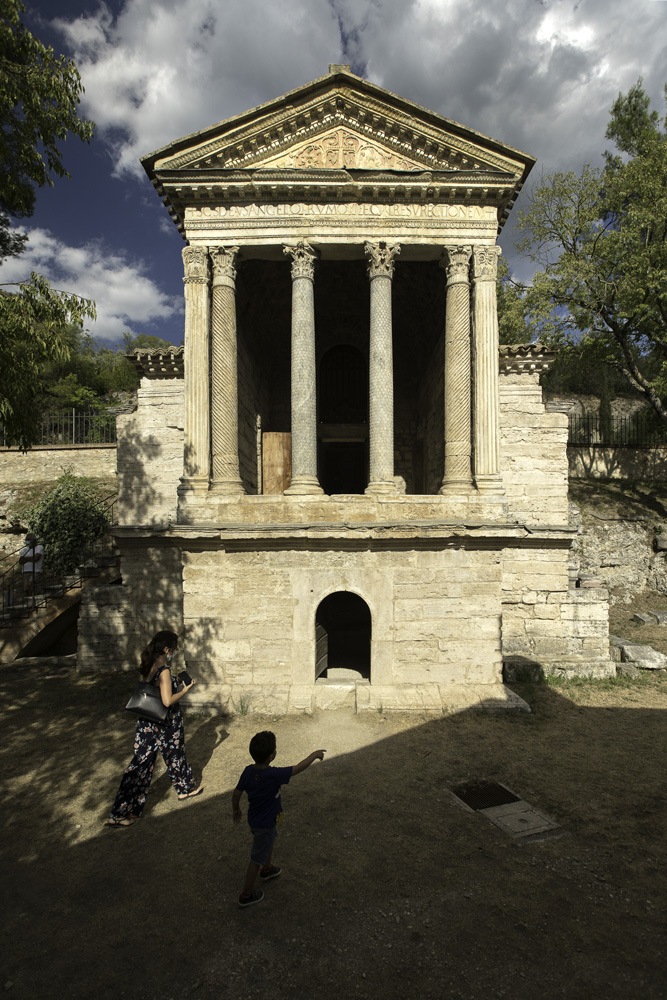
Longobards. Longobards (568-774 d.C.)Longobards, Longobards, struttura che governa il sito seriale, ha deciso di promuovere la realizzazione di una campagna fotografica sui setti complessi monumentali che lo compongono. La immagini, frutto del viaggio e degli scatti del fotografo Pasquale Palmieri, hanno dato vita al catalogo “Luce Longobarda”, edito dalla casa editrice “Gli Ori”. Il catalogo fotografico“Luce Longobarda” è un viaggio attraverso la meravigliosa storia dei Longobardi in Italia e attraverso i territori che conservano questi monumenti unici: l’area della Gastaldaga con il tempietto Longobardo e il complesso Episcopale aCividale del Friuli (UD); l’area monumentale con il complesso monastico di San Salvatore – Santa Giulia aBrescia; thecastrum con la Torre di Torba e la Chiesa di Santa Mariaforis portas aCastelseprio Torba (VA); la Basilica di San Salvatore aSpoleto (PG); il Tempietto del Clitunnoa Campello sul Clitunno (PG); il complesso di Santa Sofia aBenevento ed il Santuario di San Michele aMonte Sant’Angelo (FG).
“Le architetture fotografate, oltre ad esprimere forme d’arte diuna bellezza straordinaria, identificano i luoghi segnati dalla presenza dei Longobardi, documentando il ruolo determinante che questa popolazione di origine nordica ebbe nella storia della penisola italiana”commenta Angela Maria Ferroni, Funzionario dell’Ufficio UNESCO del Ministero della cultura.“Questi luoghi longobardi ci raccontano di un passato molto attuale, di una storia di invasione, ma anche di integrazione tra culture diverse. Anche questo è il sito UNESCO “I Longobardi in Italia. Longobards (568-774 d.C.)”, un insieme di luoghi diversi, accomunati dall’essere tutti espressione di quella “volontà di potere”, quel disegno programmatico delleélites longobarde che si vollero porre in continuità con l’insuperata civiltà romana.”
“A dieci anni dalla sua iscrizione nella Lista UNESCO, avvenuta il 25 giugno 2011, i tempi erano ormai maturi peraffrontare un viaggio fotografico attraverso le pietre parlanti dei monumenti delle sette città che compongono il sito seriale dei Longobardi in Italia, per osservare i cambiamenti nel modo di percepirle”racconta l’architetto e fotografo Pasquale Palmieri. “Sono partito per questo viaggio senza un progetto preciso, ma mosso da due attrazioni. Come architettola spinta era di indagare la complessità e la continua trasformazione dello spazio, muovendomi fra le sue infinite informazioni, cercando di comprendere lo spirito del luogo e gli elementi con cui l’uomo ha inteso identificarsi. Come fotografo, instead, mi muovevo come un esploratore di spazi ignoti, sapendo di far parte di quei visionari convinti di utilizzare un medium espressivo in cui l’imprevedibilità e la casualità giocano un ruolo primario”.
La campagna fotografica, che è parte del progetto finanziato dal Ministero della Cultura a valere sulla Legge 77/2006, è nata dalla necessità diraccontare attraverso immagini rinnovate, la bellezza e la rappresentatività dei sette beniappartenenti al sito, but, above all, dalla volontà di narrarle nell’occasione deldecennale del riconoscimento UNESCO, che è stato celebrato in un periodo storico, quello della pandemia, certamente molto complicato, ma che allo stesso tempo ha permesso al fotografo Pasquale Palmieri di ritrarre i monumenti longobardi da punti di vista inediti e diversi dal consueto.
“Le immagini realizzate dall’abilità di Pasquale Palmieri –ha commentato Antonella Tartaglia Polcini, Presidente Associazione Italia Langobardorum– concorrono mirabilmente a rendere vivi, presenti e prossimi all’osservatore scenari, architetture e ambienti che esprimono identità, grandezza, tradizioni e soprattutto tracce indelebili dell’influenza dei Longobardi sullo sviluppo spirituale e culturale dell’Europa, nella transizione dal mondo antico alla civiltà del Medioevo. Il catalogo dischiude un orizzonte ravvicinato ed offre un contatto privilegiato di prossimità ideale e reale con l’essenza dei beni rappresentati, dei quali svela il significato profondo ed autentico di testimonianze di civiltà”.
Dopo la presentazione di venerdì 1° aprile, sarà possibile acquistareil catalogo fotografico“Luce Longobarda”nel sito della casa Editrice “Gli Ori”, tramite Amazon, presso le librerie ed i bookshop di Musei e di varie istituzioni culturali italiane.
Pasquale Palmieri
Pasquale Palmieri vive e lavora a Benevento, dove alla fotografia affianca il mestiere di architetto. Nella perenne ambiguità culturale di chi, come architetto, consuma immagini cercando di produrre spazi per l’uomo, avviene l’incontro con l’artista, l’artefice. Nella fotografia predilige la documentazione, la rappresentazione dello spazio e la documentazione dell’art in progress, in tutte le sue forme, da quelle figurative al cinema. Ha realizzato numerose mostre e pubblicazioni delle sue opere.
L’Associazione Italia Langobardorum
L’Associazione Italia Langobardorum – formalmente costituita nel 2009 dai Comuni di Benevento, Brescia, Campello sul Clitunno (PG), Castelseprio (VA), Gornate Olona (VA), Cividale del Friuli (UD), Monte Sant’Angelo (FG), Spoleto (PG) e dal Ministero per i Beni e le Attività Culturali – è la struttura digestione del Sito UNESCO; non ha scopo di lucro e si occupa di avviare, coordinare e monitorare le azioni di rete relative alla valorizzazione, promozione e sensibilizzazione del sito UNESCO.Tutela, conservazione e valorizzazione del patrimonio culturale, sensibilizzazione delle comunità locali, promozione dello sviluppo socio-economicosono dunque le principali direttrici lungo le quali si sviluppano le azioni che l’Associazione persegue con il supporto degli uffici di coordinamento locale, istituiti dai comuni fondatori e anche attraverso partenariati con soggetti pubblici e privati diversi, al fine di ampliare e sviluppare la “rete longobarda” in unpercorso organizzato di interazioni con gli stakeholder dei territori.
From 25 giugno 2011l’antico popolo dei Longobardi è stato portato all’attenzione internazionale grazie all’iscrizione del sito “I Longobardi in Italia. Longobards (568-774 d.C.)” nellaLista del Patrimonio Mondiale dell’UNESCO. Il sito comprende le più importanti testimonianze monumentali longobarde esistenti sul territorio italiano, dal nord al sud della penisola, laddove si estendevano i domini del Regno e dei Ducati Longobardi, che formarono quella che è stata definita la prima ‘nazione’ italiana. In particular: l’area della Gastaldaga con il tempietto Longobardo e il complesso Episcopale a Cividale del Friuli (UD); l’area monumentale con il complesso monastico di San Salvatore – Santa Giulia a Brescia; thecastrum con la Torre di Torba e la Chiesa di Santa Mariaforis portas a Castelseprio Torba (VA); la Basilica di San Salvatore a Spoleto (PG); il Tempietto del Clitunno a Campello sul Clitunno (PG); il complesso di Santa Sofia a Benevento; il Santuario di San Michele a Monte Sant’Angelo (FG).
Questi beni, frutto di una rigorosa edaccurata selezione, rappresentano, ognuno per la propria tipologia specifica, il modello più significativo o quello più conservato tra le numerose testimonianze diffuse sul territorio nazionale e, nel loro insieme, rispecchiano l’universalità della cultura longobarda al suo apice. Essi rappresentano quindi la quintessenza del patrimonio artistico ed architettonico dellegentes Langobardorum che si espressero in forme monumentali solo dopo il loro stanziamento in Italia, seguito ad un lungo periodo di migrazione che dalla Scandinavia li vide attraversare i paesi del nord-est europeo. Giunti in Italia i Longobardiassimilarono la tradizione romana, la spiritualità del Cristianesimo, gli influssi bizantini, e seppero integrarli con i valori germanici di cui erano portatori, dando vita ad una nuova ed originale cultura che vide il suo apicetra il VII e l’VIII secolo d.C.




Leave a Reply